
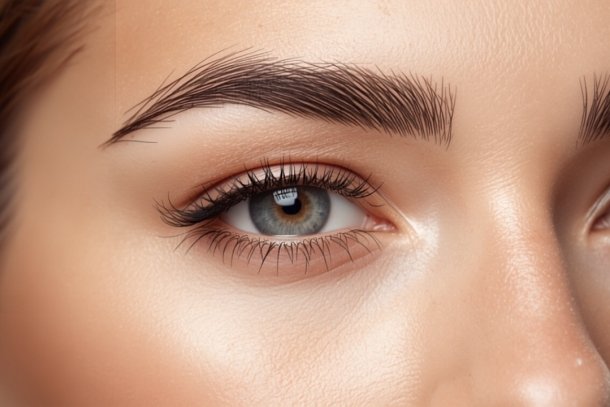
Well-groomed brows frame your whole face. In this guide, our team at Seda Beauty Salon in Waltham Cross explains how shaping, threading, tinting and lamination work, what to expect from each, and how to keep your brows looking their best between appointments.
Table of Contents
- Why your eyebrows matter
- Eyebrow shaping methods
- Threading explained
- Eyebrow tinting
- Brow lamination
- Brow mapping and symmetry
- Aftercare advice
- Common mistakes to avoid
- Looking after brows at home
- Choosing a brow technician
- Final thoughts
Why your eyebrows matter
Your eyebrows do far more than most people realise. They balance your features, define your eyes and even shape how rested and expressive you look. A well-placed arch can lift the face and make the eyes appear more open, while brows that are too thin or uneven can throw the whole face off balance. Because of this, brow work is one of the most popular treatments we carry out. The good news is that almost any brow can be improved with the right shaping plan and a little patience, even if they have been over-plucked in the past. Understanding the options helps you choose a treatment that suits your face, your routine and the look you want to achieve.
Eyebrow shaping methods
There are several ways to shape brows, and the best choice depends on your hair, skin and sensitivity. Tweezing removes individual hairs and is ideal for precise tidying between fuller treatments. Waxing lifts several hairs at once and gives a clean, defined edge quickly, which suits people who like a crisp finish. Threading, covered below, is gentle and exact. Whichever method you choose, the goal is the same: to enhance your natural shape rather than force your brows into a trend that does not suit you. A good technician studies your bone structure first and works with the brows you already have, removing only what is needed to reveal a balanced, flattering shape.
Threading explained
Threading is an ancient technique that uses a twisted cotton thread to lift hairs out at the root. It is prized for its precision because it can catch very fine hairs and create a clean, sharp line that is hard to achieve with tweezers alone. Many people with sensitive skin prefer threading because it does not pull at the skin the way waxing can, and there is no hot wax involved. The results last a similar length of time to waxing, usually around three to four weeks, as hairs are removed from the root. It is quick, hygienic and especially good for defining the arch and tidying the area between the brows.
Eyebrow tinting
Tinting uses a semi-permanent dye to darken the brow hairs and the fine hairs around them, creating a fuller, more defined look without makeup. It is a favourite for anyone with fair or sparse brows, or those who want to wake up with ready-to-go brows and skip the daily pencil. A patch test is carried out before your first appointment to check for any reaction, and the colour is matched carefully to your hair and skin tone for a natural result. Tint typically lasts around four to six weeks on the hairs and fades gradually, so there is no harsh regrowth line. It pairs beautifully with shaping for a polished, low-maintenance finish.
Brow lamination
Brow lamination has become one of the most requested treatments in recent years. It is a setting process that relaxes the brow hairs so they can be brushed up and into a fuller, more uniform shape, then held in place. The effect is a fluffy, groomed brow that looks naturally thick, which is wonderful for anyone with unruly hairs or gaps they would like to disguise. Results usually last around four to six weeks. Lamination is often combined with shaping and tinting in a single visit for a complete brow makeover. As with any chemical treatment, aftercare matters, and your technician will explain how to keep the hairs conditioned so they stay healthy.
Brow mapping and symmetry
No two brows are identical, and they never will be perfectly symmetrical, which is completely normal. Brow mapping is the method skilled technicians use to find the most flattering shape for your face. Using measurements from the bridge of the nose, the front of the brow, the arch and the tail are marked so that both brows are as balanced as possible. This careful planning is what separates a professional finish from a rushed one. It ensures the arch sits in the right place for your eye shape and that the tails do not drop, which can age the face. Mapping takes a few extra minutes but makes a noticeable difference to the final result.
Aftercare advice
Looking after freshly shaped or treated brows helps the results last and keeps the skin calm. For the first 24 hours after waxing or threading, avoid heat, heavy sweating, swimming and touching the area, as the follicles are open and more prone to irritation. After tinting or lamination, keep the brows dry for the first day and avoid oily cleansers directly on the area, which can fade tint and loosen the lamination set. A little soothing gel or a fragrance-free moisturiser helps reduce any redness. If you are prone to sensitivity, let your technician know in advance so they can adjust the treatment and recommend the gentlest aftercare for your skin.
Common mistakes to avoid
The most common brow mistake is over-plucking, which can leave permanent gaps if hairs stop growing back. If you are growing your brows out, resist the urge to tidy them yourself for a few weeks so your technician has more to work with. Another frequent error is chasing trends that do not suit your face, such as very thin or very angular brows. Matching brow colour to your hair too closely can also look harsh, while a shade slightly softer than your hair usually looks more natural. Finally, avoid using strong exfoliating acids directly on tinted brows, as they fade the colour quickly. When in doubt, less is more, and a professional can guide you.
Looking after brows at home
Between appointments, a few simple habits keep brows healthy and tidy. Brush them daily with a clean spoolie to train the hairs and remove flakes. If your brows are sparse, a nourishing brow serum or even a little castor oil applied sparingly at night can support the hairs over time, though results vary from person to person. Fill any small gaps with a pencil or powder one shade lighter than your natural colour, using light, hair-like strokes rather than a solid block. Try not to tweeze beyond the shape your technician has set, as it is easy to undo careful work. With minimal effort, your brows will stay looking groomed for longer.
Choosing a brow technician
Brows frame your face, so it is worth choosing someone experienced who takes the time to understand what you want. Look for a technician who offers a consultation, carries out patch tests for tint and lamination, and works in a clean, welcoming space. At Seda Beauty Salon in Waltham Cross, we shape, thread, tint and laminate brows to suit each client, always starting with a chat about the look you are after. We also serve clients from nearby Cheshunt and Waltham Abbey. If you would like to book or ask a question, you can call us on 01992 767000 and we will be happy to help you find the right treatment.
Final thoughts
Great brows are the result of a good shape, the right treatment and consistent care, not luck. Whether you want a natural tidy-up, a bolder laminated look or a low-maintenance tint, there is an option to suit you. The key is to work with your natural brows rather than against them, and to be patient if you are recovering from over-plucking. With professional shaping and a simple home routine, your brows can frame your face beautifully every day. If you are unsure where to start, a consultation is the easiest first step toward brows you will love.
Frequently Asked Questions
How long does eyebrow tinting last?
Brow tint usually lasts around four to six weeks on the hairs and fades gradually, so there is no harsh regrowth line. The exact timing depends on your skin type, how often you exfoliate and the products you use around the brow area.
Is threading better than waxing?
Neither is simply better; they suit different needs. Threading is very precise and gentle on sensitive skin, while waxing is fast and gives a crisp edge. Many clients combine the two, using threading for detail and waxing for speed.
Does brow lamination damage the hairs?
When done correctly by a trained technician and followed with proper aftercare, lamination is safe. Over-processing or skipping conditioning can leave hairs dry, which is why professional application and good home care matter.
How can I grow back over-plucked eyebrows?
Stop tweezing the area, brush the hairs daily and consider a nourishing brow serum. Growth takes time and varies from person to person. A technician can map and fill the brows while you wait for the hairs to return.
Do I need a patch test before tinting?
Yes. A patch test is carried out before your first tint or lamination to check for any reaction to the products. It is a quick, important step that helps keep the treatment safe and comfortable.