

Want clearer, healthier-looking skin? A professional facial in Waltham Cross or Cheshunt can make a real difference. This beautician’s guide explains the main types of facials, how often to have them, and how to care for your skin at home.
Table of Contents
- What a facial actually does
- Common types of facials
- How often should you have a facial?
- Skincare at home
- Booking a facial near you
- Frequently asked questions
- Understanding your skin type
- Your first facial
- Facials and home care
- Concerns a facial helps
- Facials and the seasons
- A course of treatments
- Listening to your skin
- Relax and unwind
What a facial actually does
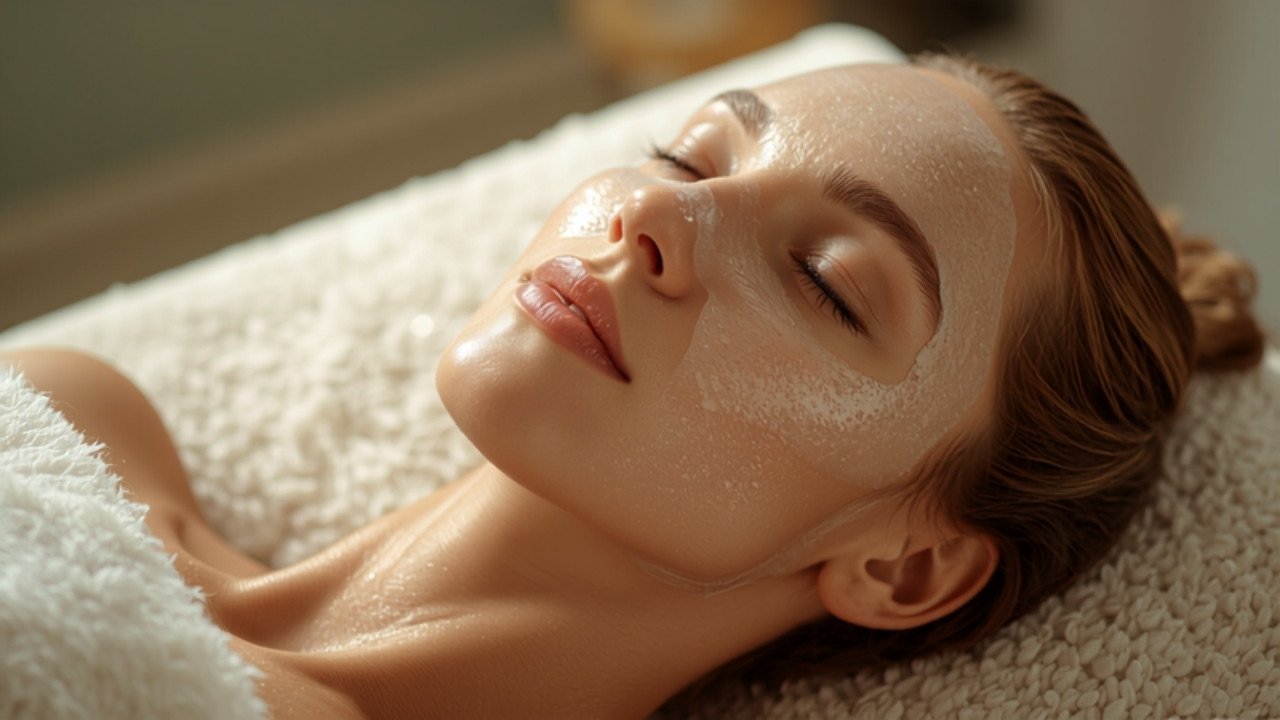
A facial is a multi-step skin treatment that typically cleanses, exfoliates, extracts where needed, and deeply hydrates the skin. Beyond the immediate glow, regular facials help maintain skin health, support your at-home routine, and give you the chance to get professional advice tailored to your skin. A trained beautician will assess your skin type and concerns first, rather than applying the same treatment to everyone.
Common types of facials
- Classic deep-cleanse facial: A great all-rounder that cleanses, exfoliates and hydrates, suitable for most skin types.
- Hydrating facial: Focused on replenishing moisture, ideal for dry or dehydrated skin, especially in winter.
- Brightening facial: Aimed at boosting radiance and evening out a dull complexion.
- Targeted facials: Designed around specific concerns such as congestion or signs of ageing.
“Skin is unique to every person. The secret to good skincare is consistency and the right advice, not chasing every new trend.” — Seda Beauty Salon
How often should you have a facial?
For most people, a facial every four to six weeks works well, roughly matching the skin’s natural renewal cycle. If you are preparing for a special event such as a wedding, your beautician may suggest a short course of treatments in the months beforehand. The key is regularity; occasional one-off facials feel lovely but deliver the best results when they are part of an ongoing routine.
Skincare at home
Professional treatments work best alongside a simple, consistent routine at home. The fundamentals are cleansing morning and night, moisturising to support your skin barrier, and wearing SPF daily to protect against sun damage. Your beautician can recommend products suited to your skin type so that your home routine complements your in-salon treatments rather than working against them.
Booking a facial near you
Seda Beauty Salon, at 101 High Street, Waltham Cross, EN8 7AN, offers skincare treatments alongside hair and nails, and is conveniently located for clients in Waltham Cross, Cheshunt and Waltham Abbey. With a qualified beautician who trained in London and has over a decade of experience, you can expect honest, personalised advice. To book a facial or ask about your skin concerns, call 01992 767000.
Understanding your skin type
Good skincare starts with understanding your skin. Dry skin tends to feel tight and can look dull or flaky, oily skin produces excess shine and is prone to congestion, and combination skin shows a mix of both, often oilier through the centre of the face. Sensitive skin reacts easily to products or the environment. Knowing your type helps you and your beautician choose the right facial and home routine, rather than guessing. A professional skin assessment at the start of a treatment takes the uncertainty out of it and ensures everything is tailored to what your skin actually needs.
What to expect during your first facial
If you have never had a professional facial, knowing the steps can help you relax and enjoy it. Most facials begin with a thorough cleanse, followed by exfoliation to remove dead skin cells, and gentle extraction where needed. A mask suited to your skin, along with massage and hydrating finishing steps, leaves your skin refreshed and glowing. Throughout, a good beautician explains what they are doing and checks in with you, so the experience feels comfortable and personalised from start to finish.
Combining facials with a home routine
Professional facials deliver the best results when they are supported by a simple, consistent routine at home. Cleansing morning and night, using the right moisturiser for your skin type, and applying SPF daily all help maintain the benefits between treatments. Your beautician can recommend products that suit your skin and fit easily into your day, so your at-home care works hand in hand with your in-salon facials rather than against them. Small, steady habits make a far bigger difference over time than occasional dramatic efforts.
Common skin concerns a facial can help
Facials are not only a treat; they can genuinely help with a range of everyday skin concerns. Dull, tired skin benefits from exfoliation and a boost of hydration, congestion and the occasional breakout respond well to deep cleansing, and dryness is eased by replenishing moisture. Facials can also support skin that feels stressed by weather, central heating or a busy lifestyle. A trained beautician tailors the treatment to your particular concerns, so you are addressing what your skin actually needs rather than following a one-size-fits-all approach.
How your facials change with the seasons
Your skin has different needs at different times of year, and your facials can change with them. In winter, the focus is often on rich hydration and protecting the skin barrier against cold air and indoor heating. In summer, lighter, refreshing treatments and a focus on protection suit the warmer weather. Adjusting your facials and home routine through the year keeps your skin balanced and comfortable whatever the season, rather than fighting the same battle with the wrong tools.
Booking a course of treatments
While a single facial leaves your skin glowing, the best long-term results come from regular treatments. Many people book facials every four to six weeks to match the skin’s natural renewal cycle, and a planned course can be especially helpful in the run-up to a special event or when working on a particular concern. Your beautician can suggest a sensible schedule, so your skincare becomes a steady, rewarding habit rather than an occasional one-off.
Listening to what your skin tells you
Your skin changes over time and from season to season, and learning to read it is one of the most useful skincare skills there is. Tightness often means it needs more moisture, breakouts can point to congestion or stress, and dullness usually calls for gentle exfoliation and hydration. Paying attention to these signals, and sharing them with your beautician, helps you adjust your facials and home routine so they always match what your skin needs right now rather than what worked months ago.
A chance to relax and unwind
Beyond the skincare benefits, a facial is a genuine moment of calm in a busy life. The quiet, the gentle massage and the time spent simply being looked after can be as good for your wellbeing as they are for your skin. Many people find their regular facial becomes a treasured pause in the month, a chance to switch off and reset. That sense of relaxation is part of the value of the treatment, not just a pleasant extra.
Frequently asked questions
How often should I have a facial?
A facial every four to six weeks suits most people and aligns with the skin’s natural renewal cycle. Regular treatments deliver better long-term results than occasional one-offs.
Are facials suitable for sensitive skin?
Yes, when the treatment is tailored to you. A trained beautician will assess your skin and choose gentle, appropriate products and techniques for sensitive skin.
Will one facial clear my skin?
A single facial gives an immediate refreshed glow, but clear, healthy skin comes from consistent treatments combined with a good home routine and SPF.
Where can I get a facial near Cheshunt or Waltham Abbey?
Seda Beauty Salon in Waltham Cross is a short distance from both Cheshunt and Waltham Abbey and offers facials alongside other beauty treatments.