
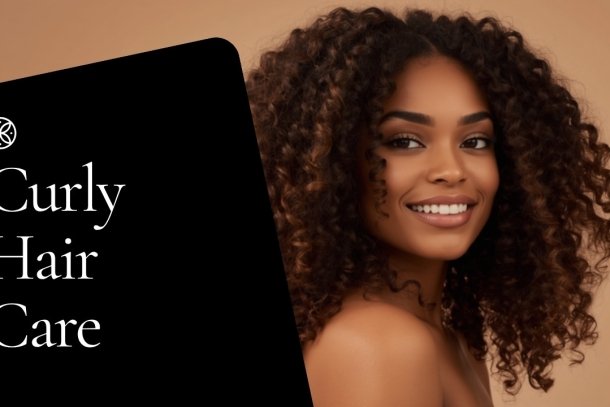
Curly hair is beautiful but needs the right care to stay healthy and defined. This guide to curly hair care in Waltham Cross covers washing, moisture and styling so your curls look their best.
Table of Contents
- Understanding curly hair
- Washing and moisture
- Styling for definition
- The right cut
- Frequently asked questions
- Understanding your curl type
- The basics of curl-friendly care
- Choosing the right products
- Drying techniques that protect curls
- Refreshing curls between washes
- Protecting curls overnight
- Detangling without breakage
- Keeping frizz under control
- Curls and humidity
- Moisture and strength in balance
- Regular trims for healthy curls
- Embracing your natural texture
Understanding curly hair
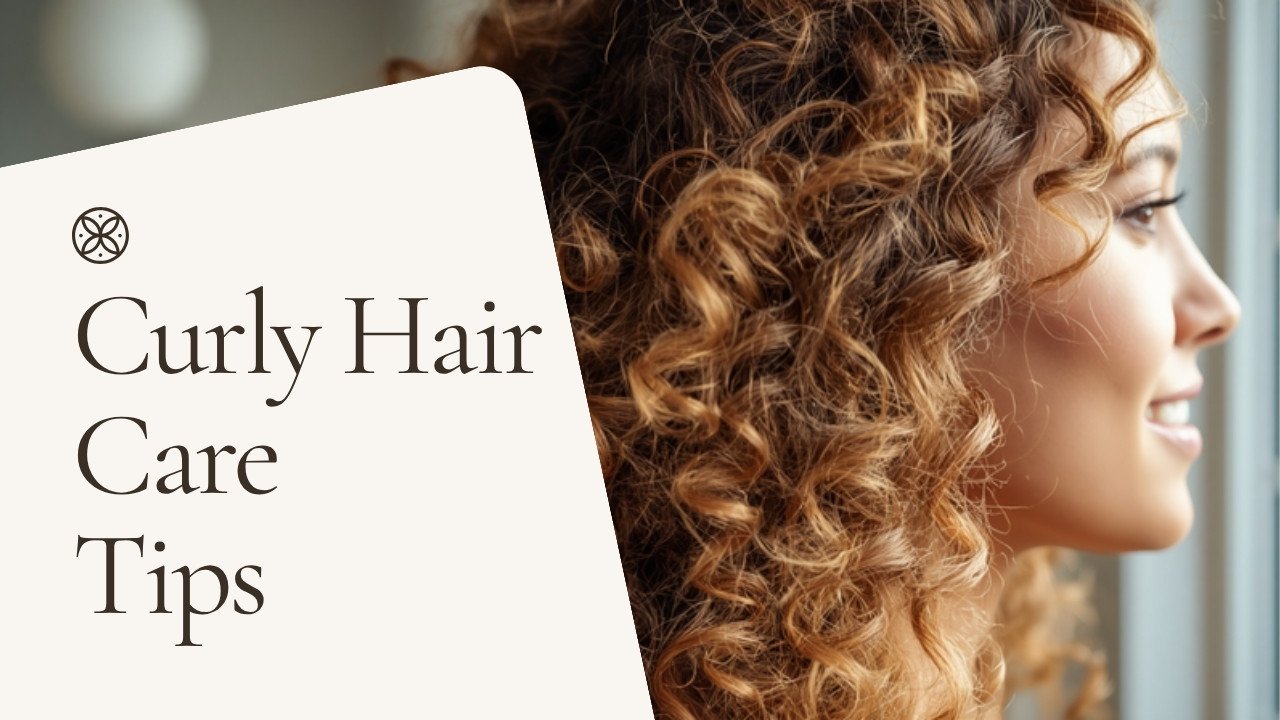
Curly and wavy hair tends to be drier than straight hair because natural oils travel down the strand more slowly. That means moisture is the priority, along with gentle handling to protect the curl pattern and reduce frizz.
“Curls thrive on moisture and a gentle routine. Once you stop fighting your texture and start working with it, everything changes.” — Seda Beauty Salon
Washing and moisture
Washing less often and using a hydrating, gentle shampoo and a rich conditioner helps curly hair retain moisture. A weekly deep-conditioning mask keeps curls soft, bouncy and less prone to breakage.
Styling for definition
Applying styling products to soaking wet hair helps lock in moisture and definition. Scrunching gently and avoiding rough towel-drying, in favour of a soft cloth, reduces frizz and protects the curl shape.
The right cut
A cut tailored to curly hair makes daily styling far easier and keeps your shape looking intentional. A stylist experienced with curls can recommend a shape that suits your texture and lifestyle.
Understanding your curl type
Curls come in many forms, from loose waves to tight coils, and knowing roughly where your hair sits helps you care for it. Looser waves often need light products that do not weigh them down, while tighter curls and coils tend to be drier and crave richer moisture. There is no need to get caught up in complicated charts; the key is recognising that your curls have their own character and learning what makes them look and feel their best.
The basics of curl-friendly care
Caring for curls well is less about expensive products and more about gentle, consistent habits. Cleansing without stripping, conditioning generously, applying product to soaking wet hair and drying with minimal disruption are the foundations. Avoiding harsh brushing and excessive heat protects the curl pattern. Once you stop fighting your texture and start working with it, curls become far easier to manage and look healthier, bouncier and more defined day to day.
Choosing the right products
The right products make a real difference to curly hair, but more is not always better. A hydrating shampoo, a rich conditioner and a styling product suited to your curl type are usually all you need. Heavier creams suit tighter, drier curls, while lighter gels and mousses define looser waves without weighing them down. A stylist who works with curls can recommend products that suit your hair, saving you the cost and frustration of trial and error.
Drying techniques that protect curls
How you dry your hair has a huge effect on how your curls turn out. Rough towel-drying causes frizz and disrupts the curl pattern, so gently squeezing with a soft cloth or an old cotton t-shirt is much kinder. Scrunching encourages definition, and a diffuser on a low setting dries curls while keeping their shape. Letting hair air-dry is gentlest of all. These small changes often transform frizzy, undefined hair into soft, bouncy curls.
Refreshing curls between washes
Because curly hair benefits from less frequent washing, knowing how to refresh curls between washes is invaluable. A light mist of water, sometimes mixed with a little leave-in conditioner, can revive curls and ease any frizz or flattening, especially after sleep. Scrunching gently as you refresh helps bring back definition. This simple routine keeps curls looking good for several days, extending the life of your wash day and reducing how often you need to start from scratch.
Protecting curls overnight
A few nighttime habits keep curls looking their best in the morning. Sleeping on a silk or satin pillowcase reduces friction and frizz compared with cotton, and loosely gathering hair into a soft, high style, sometimes called a pineapple, helps preserve the curls overnight. These gentle steps mean you wake up with curls that need only a light refresh rather than a full restyle, making your mornings quicker and your curls healthier.
Detangling without breakage
Curly hair tangles more easily, so gentle detangling is essential to avoid breakage. The best approach is to detangle when hair is wet and coated with conditioner, using fingers or a wide-tooth comb and working slowly from the ends upwards. Rushing or pulling through knots from the roots causes snapping and frizz. Taking a little extra care at this stage protects your length and keeps your curls smooth and intact.
Keeping frizz under control
Frizz is the most common curly hair frustration, and it usually comes down to dryness and disruption of the curl pattern. Keeping hair well moisturised, applying product to soaking wet hair, handling curls gently and avoiding touching them too much as they dry all help keep frizz in check. A little anti-frizz product can smooth things further. Some frizz is natural and part of curly hair charm, but these habits keep it looking polished rather than unruly.
Curls and humidity
Humidity is curly hair greatest test, drawing moisture into the hair and causing swelling and frizz. While you cannot control the weather, the right products, including those designed to resist humidity, help your curls hold their shape. Well-moisturised hair is also less likely to grab extra moisture from the air. On very humid days, a sleeker style or an updo can be a practical, elegant alternative that keeps you looking polished whatever the forecast.
Moisture and strength in balance
Healthy curls need both moisture and strength, and getting the balance right keeps them springy and resilient. Too little moisture leaves curls dry and frizzy, while hair that lacks strength can feel limp or overly soft. Regular conditioning provides moisture, while occasional strengthening treatments support the hair structure. A stylist can assess your curls and recommend the right balance for your hair, so it stays healthy, bouncy and full of life.
Regular trims for healthy curls
Trims are just as important for curly hair as for any other type, keeping the shape looking intentional and removing dry, split ends before they travel up the hair. Because curls can hide their true length, a stylist experienced with curly hair knows how to trim while preserving as much length and shape as possible. Regular trims keep your curls looking defined and healthy rather than weighed down by damaged ends.
Embracing your natural texture
Perhaps the most rewarding part of caring for curly hair is learning to embrace and celebrate your natural texture. Years of trying to straighten or tame curls can give way to genuine enjoyment once you find a routine that works. A great curly cut, the right products and a few good habits let your curls shine as they are. Working with your natural texture, rather than against it, is the secret to curls you will love.
Frequently asked questions
How often should I wash curly hair?
Curly hair usually benefits from less frequent washing with a hydrating shampoo, as it tends to be drier than straight hair.
How do I reduce frizz in curly hair?
Keep hair well moisturised, apply product to soaking wet hair, avoid rough towel-drying and handle curls gently.
Do curls need a special haircut?
A cut tailored to curly hair makes styling easier and keeps your shape looking intentional and defined.
Where can I get my curly hair styled in Waltham Cross?
Seda Beauty Salon in Waltham Cross serves Cheshunt and Waltham Abbey too. Call 01992 767000 to book.