
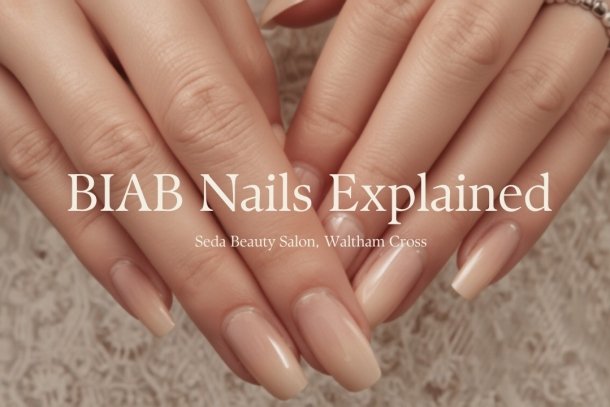
BIAB has become one of the most requested nail treatments, and for good reason. This guide explains BIAB nails, how they protect your natural nails and how to care for them.
Table of Contents
- What is BIAB?
- Why it is so popular
- How long does it last?
- Caring for BIAB nails
- Frequently asked questions
- How BIAB is applied
- BIAB versus regular gel polish
- BIAB versus acrylic
- BIAB for weak or damaged nails
- Colour options with BIAB
- Infills and upkeep
- Safe removal
- BIAB and nail health
- Who BIAB suits
- Caring for BIAB at home
- Shapes and styles
- Choosing a technician
- Is BIAB worth it?
What is BIAB?
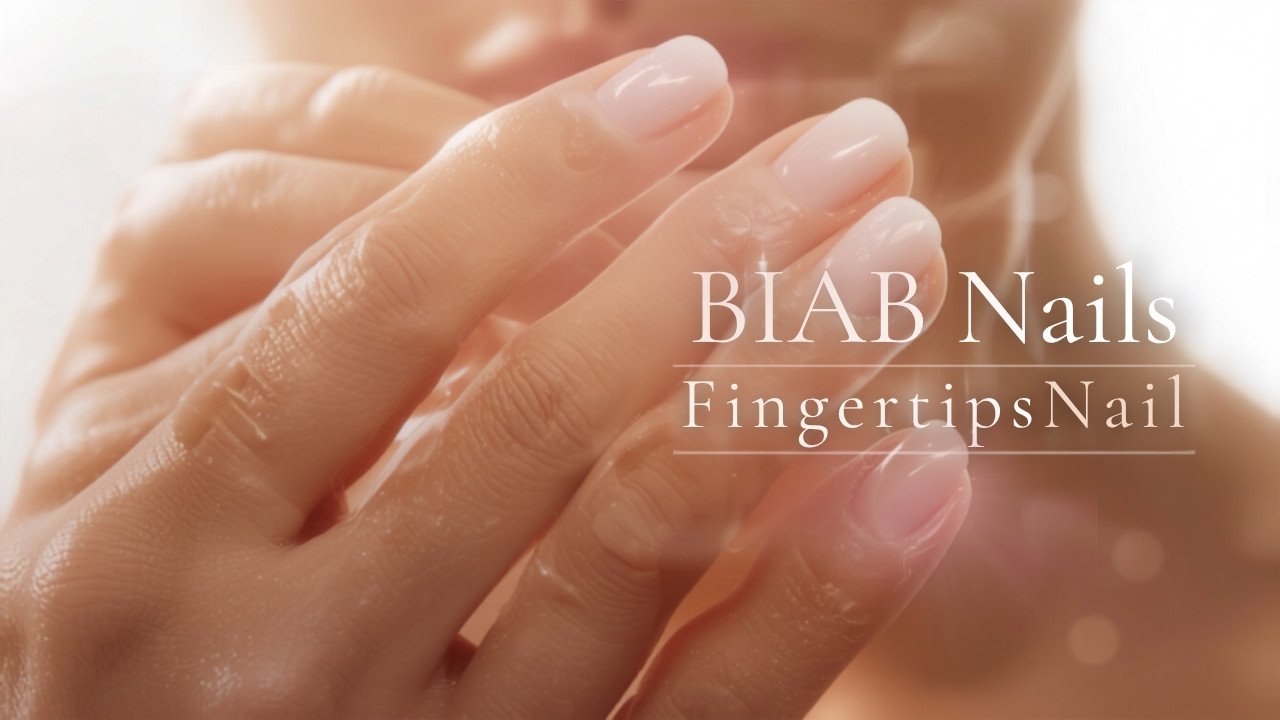
BIAB, or Builder In A Bottle, is a thicker gel that adds a protective overlay to your natural nails. It strengthens the nail while looking natural, making it a favourite for people who want healthy-looking nails without heavy enhancements.
“BIAB is the gentle way to strong, natural-looking nails. It supports your own nails rather than masking them.” — Seda Beauty Salon
Why it is so popular
BIAB protects and strengthens natural nails, helping them grow, while still looking subtle and elegant. It is more flexible and gentler than some enhancements and grows out more softly, which is why so many clients love it.
How long does it last?
BIAB typically lasts two to three weeks before an infill, similar to gel. Because it grows out gently, regular infills keep your nails looking neat and well supported.
Caring for BIAB nails
Daily cuticle oil, gloves for cleaning and avoiding using your nails as tools all help BIAB last longer. As with all enhancements, professional removal protects your natural nails.
How BIAB is applied
BIAB, or Builder In A Bottle, is applied much like gel but builds a slightly thicker, protective layer over the natural nail. After the nails are prepped and shaped, the builder gel is applied and cured under a lamp, creating a strong yet flexible overlay. It can be worn natural or topped with colour. Because the technique gives both strength and a natural look, professional application is key to getting that smooth, healthy-looking finish.
BIAB versus regular gel polish
While both are cured under a lamp, BIAB and regular gel polish are not the same. Gel polish is a coloured coating that sits thinly on the nail, whereas BIAB is a thicker builder gel that adds a protective, strengthening layer. This makes BIAB especially good for people whose natural nails are weak or struggle to grow, as it supports the nail while still looking natural. Your technician can advise which suits your nails best.
BIAB versus acrylic
BIAB is often compared with acrylic, but they serve slightly different purposes. Acrylic is typically used to add significant length and strength and can feel harder and thicker, while BIAB is more flexible and natural-feeling, focused on strengthening and lightly enhancing the natural nail. Many people find BIAB gentler and more comfortable for everyday wear. The right choice depends on the look and length you want, which a technician can help you decide.
BIAB for weak or damaged nails
One of the biggest reasons for BIAB popularity is how well it supports weak, brittle or peeling nails. By adding a protective overlay, it shields the natural nail and helps it grow without breaking, often allowing nails to become longer and stronger over time. For anyone who has struggled to grow their natural nails, BIAB can be a real game-changer, combining protection with a natural, elegant appearance.
Colour options with BIAB
BIAB is wonderfully versatile when it comes to colour. It can be worn as a clear or natural-toned overlay for a subtle, healthy look, or topped with gel polish in any shade, from soft nudes to bold colours and nail art. This flexibility means you can keep things understated for work or go more colourful for a special occasion. Your technician can help you choose a finish that suits your style and the look you want.
Infills and upkeep
Because BIAB grows out gently with your natural nail, it is well suited to infills rather than full removal each time. At your appointment, the regrowth at the base is filled and the overlay refreshed, usually every two to three weeks. This is quicker and kinder to the natural nail than repeated removal and reapplication. Keeping up with regular infills maintains both the look and the protective benefits of BIAB.
Safe removal
As with any enhancement, BIAB should be removed professionally rather than picked or peeled off. A technician gently removes it without harming the natural nail underneath, keeping your nails healthy and ready for whatever you choose next. Picking at BIAB can take layers of the natural nail with it, which causes the weakness people sometimes wrongly blame on the product. Proper removal is essential to keeping your nails in great condition.
BIAB and nail health
Many people choose BIAB precisely because it works with the health of the natural nail rather than against it. By protecting and supporting the nail, and when applied and removed correctly, it allows nails to grow stronger over time. Daily cuticle oil and gentle care further support healthy nails underneath. This focus on nail health, alongside a beautiful finish, is a big part of why BIAB has become so popular.
Who BIAB suits
BIAB suits a wide range of people, but it is especially loved by those who want healthy-looking, natural nails with a little extra strength, rather than long or dramatic enhancements. It is ideal if your nails are weak or you simply prefer a subtle, elegant finish. A technician can assess your natural nails and lifestyle and advise whether BIAB is the right choice for the look and durability you are after.
Caring for BIAB at home
Looking after BIAB at home is simple and helps it last. Applying cuticle oil daily keeps the nails flexible and the surrounding skin healthy, while wearing gloves for cleaning and washing up protects the overlay. Avoiding using your nails as tools and not picking at any lifting all help too. These easy habits keep your BIAB looking fresh and glossy throughout the weeks between appointments.
Shapes and styles
BIAB can be worn in whatever shape suits you, from a natural rounded or squoval finish to slightly longer, more defined shapes. Because it strengthens the nail, it can help you maintain a little length that your natural nails might otherwise struggle with. Your technician can help you choose a shape that is both flattering and practical for your lifestyle, balancing the look you want with everyday durability and comfort.
Choosing a technician
Getting the most from BIAB depends on the skill of your technician. Proper preparation, the right thickness of application and correct curing all contribute to a strong, natural-looking and long-lasting result. A skilled technician also removes and refills BIAB in a way that protects your natural nails. Choosing an experienced, hygienic professional ensures you enjoy all the benefits of BIAB while keeping your nails healthy.
Is BIAB worth it?
For many people, particularly those with weaker nails, BIAB is well worth it. The combination of strength, protection and a natural, elegant finish makes it a favourite for everyday wear, and it can genuinely help nails grow healthier over time. Whether it is right for you depends on the look you want and how your natural nails behave, which is something a technician can help you weigh up at your appointment.
Frequently asked questions
What does BIAB stand for?
BIAB stands for Builder In A Bottle, a thicker gel that adds a protective, natural-looking overlay to strengthen your nails.
How long do BIAB nails last?
BIAB typically lasts two to three weeks before an infill, and grows out gently with your natural nail.
Is BIAB better for your nails than acrylic?
Many people find BIAB gentler and more flexible, as it supports the natural nail, though a technician can advise what suits you.
Where can I get BIAB nails in Waltham Cross?
Seda Beauty Salon in Waltham Cross serves Cheshunt and Waltham Abbey. Call 01992 767000 to book.