

Acne-prone skin needs a careful, consistent approach. This guide explains how professional facials for acne-prone skin in Cheshunt can help, and how to support your skin at home.
Table of Contents
- How facials help acne-prone skin
- What to expect
- Supporting your skin at home
- Booking near Cheshunt
- Frequently asked questions
- Understanding acne-prone skin
- Ingredients that help
- Extractions explained
- Why you should not pick
- Diet, lifestyle and your skin
- Stress and breakouts
- Gentle beats harsh
- Consistency is key
- Sensitive and acne-prone skin
- Makeup for acne-prone skin
- When to see a doctor
- A long-term plan for clearer skin
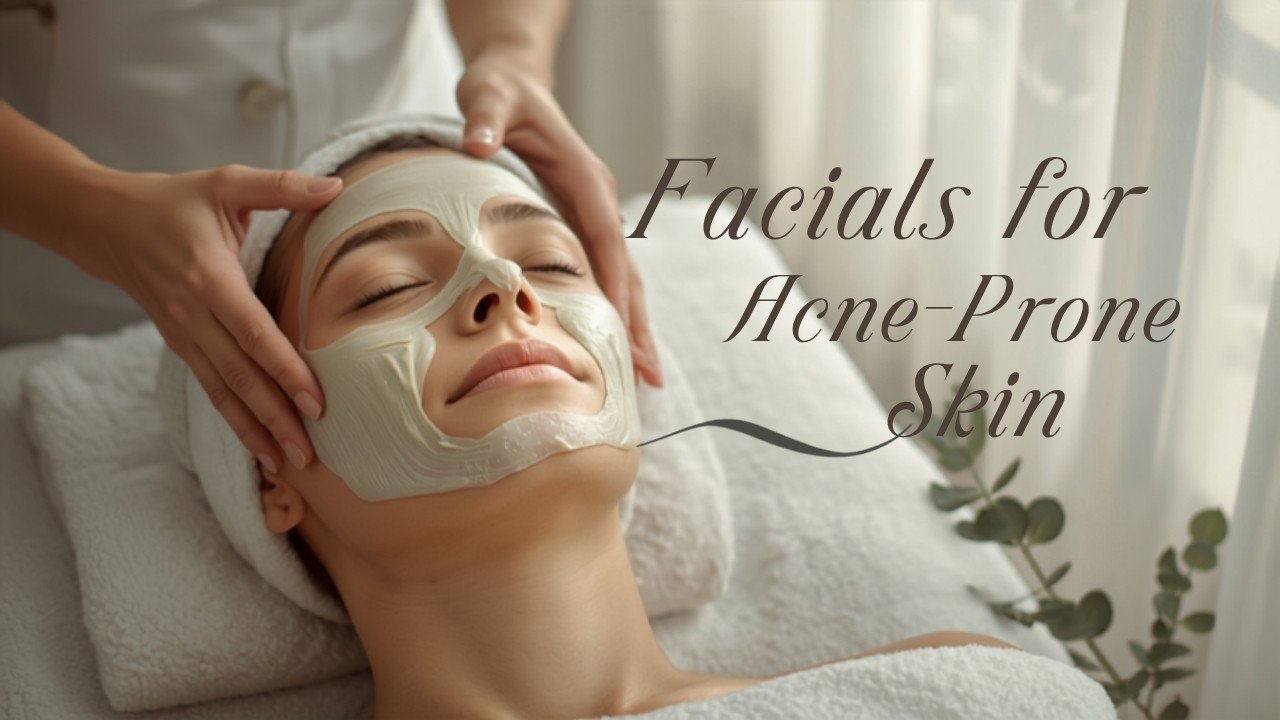
How facials help acne-prone skin
A professional facial deep-cleanses, gently exfoliates and calms the skin, helping to reduce congestion and the appearance of blemishes over time. A trained beautician assesses your skin first and adapts the treatment, rather than using a harsh, one-size-fits-all approach.
“With acne-prone skin, consistency and gentleness win. Aggressive treatments often make things worse, not better.” — Seda Beauty Salon
What to expect
Treatments are tailored to your skin and may combine cleansing, gentle exfoliation, extraction where appropriate and soothing, hydrating steps. Regular facials, often every four to six weeks, give the best ongoing results.
Supporting your skin at home
A simple routine of gentle cleansing, the right moisturiser and daily SPF supports your in-salon treatments. Avoid picking at spots, which can worsen marks and slow healing. Your beautician can recommend suitable products.
Booking near Cheshunt
Seda Beauty Salon, at 101 High Street, Waltham Cross, EN8 7AN, is a short distance from Cheshunt and offers facials suited to acne-prone skin. Call 01992 767000 to book.
Understanding acne-prone skin
Acne-prone skin is more than the occasional spot; it is skin that regularly develops congestion, blackheads or breakouts, often because of excess oil, blocked pores and bacteria. It can affect people of any age, not just teenagers, and it is influenced by hormones, genetics, lifestyle and the products you use. Understanding that acne-prone skin needs consistent, gentle care rather than harsh treatment is the foundation of managing it well, and a professional can help you understand what is driving your particular skin concerns.
Ingredients that help
Certain skincare ingredients are particularly helpful for acne-prone skin, working to clear congestion and calm the complexion. A beautician can guide you toward suitable products and explain how to introduce them gradually, as using too many active ingredients at once can irritate the skin and make things worse. The right routine is usually simpler than people expect, focusing on a gentle cleanser, the appropriate targeted products and good hydration rather than an overwhelming shelf of harsh treatments.
Extractions explained
One part of a professional facial for congested skin is extraction, where blackheads and blocked pores are cleared using the correct technique. Done professionally, this is far safer and more effective than squeezing spots at home, which can damage the skin and spread bacteria. A trained beautician knows which blemishes are suitable to extract and which are best left alone, minimising the risk of marking or scarring and leaving the skin clearer and calmer afterwards.
Why you should not pick
It is tempting to pick at spots, but it is one of the most damaging things you can do to acne-prone skin. Picking pushes bacteria deeper, increases inflammation, and is the main cause of the dark marks and scarring that can linger long after a breakout has gone. Breaking the habit, and letting professional treatments and a good routine do the work instead, makes a real difference to how your skin heals and how clear it stays over time.
Diet, lifestyle and your skin
While skincare is important, what happens inside your body shows on your skin too. A balanced diet, staying hydrated, getting enough sleep and managing stress all play a part in how acne-prone skin behaves. There is no single magic food, but supporting your overall health gives your skin the best chance to stay balanced. A beautician can offer general guidance, and for persistent or severe acne it is always worth speaking to a doctor as well.
Stress and breakouts
Many people notice their skin flares up during stressful periods, and there is good reason for this. Stress affects hormones that can increase oil production and inflammation, contributing to breakouts. While you cannot always avoid stress, building in moments of calm, looking after your wellbeing and keeping up a steady skincare routine even when life is busy all help. A relaxing facial can be part of this, soothing both your skin and your stress levels at once.
Gentle beats harsh
A common mistake with acne-prone skin is attacking it with harsh, drying products in the hope of clearing it quickly. This often backfires, stripping the skin so it produces even more oil and becomes irritated. A gentle, consistent approach that respects the skin barrier is far more effective in the long run. Professional facials are designed around this principle, cleansing and treating the skin thoroughly while keeping it calm and balanced rather than aggravated.
Consistency is key
With acne-prone skin, consistency matters more than any single dramatic treatment. Sticking to a simple daily routine and having regular facials, often every four to six weeks, gives the skin steady support and time to improve. Results build gradually rather than overnight, so patience pays off. A beautician can help you set realistic expectations and keep you on track, which is reassuring when progress feels slow, as steady care really does add up over time.
Sensitive and acne-prone skin
Some people have skin that is both acne-prone and sensitive, which calls for an especially careful approach. Treatments and products need to clear congestion without triggering redness or irritation, which is exactly where professional guidance helps. A beautician can choose gentle methods and soothing ingredients suited to reactive skin, and a patch test is sensible before trying anything new. With the right care, even sensitive, breakout-prone skin can become calmer and clearer.
Makeup for acne-prone skin
Wearing makeup with acne-prone skin is absolutely fine, as long as you choose products that suit it and remove them properly. Non-comedogenic formulas, which are less likely to clog pores, are a good choice, and always cleansing thoroughly at the end of the day prevents makeup and oil building up overnight. A beautician can suggest products and habits that let you enjoy makeup without it working against your skin, so you can feel confident while still caring for your complexion.
When to see a doctor
Facials and a good routine help many people, but more severe or persistent acne sometimes needs medical treatment. If your skin is very inflamed, painful, or not improving despite consistent care, it is sensible to see a GP or dermatologist who can offer options beyond the scope of a salon. There is no shame in seeking medical help; acne is a genuine skin condition, and professional facials can work alongside medical treatment as part of a complete approach.
A long-term plan for clearer skin
Managing acne-prone skin is a journey rather than a quick fix, and having a plan helps. Combining a simple, consistent home routine with regular professional facials, sensible lifestyle habits and medical advice where needed gives your skin the best chance to improve and stay clear. A beautician can support you along the way, adjusting your treatments as your skin changes. With patience and the right care, calmer, clearer and more confident skin is a realistic goal.
Frequently asked questions
Can facials help acne-prone skin?
Professional facials can deep-cleanse, gently exfoliate and calm the skin, helping reduce congestion and blemishes over time when done regularly.
How often should I have a facial for acne-prone skin?
Every four to six weeks is typical, but a beautician will tailor the frequency to your skin.
What should I avoid with acne-prone skin?
Avoid picking spots and harsh, stripping products. A gentle, consistent routine with SPF works best.
Where can I get a facial near Cheshunt?
Seda Beauty Salon in nearby Waltham Cross offers facials for different skin types.