
Waxing leaves skin smooth for weeks, far longer than shaving. This guide to waxing in Waltham Abbey covers the main types, how to prepare, what to expect and how to keep skin smooth and comfortable afterwards.
Table of Contents
- Why choose waxing?
- Types of waxing
- How to prepare
- Aftercare for smooth skin
- Booking near Waltham Abbey
- Frequently asked questions
- Waxing vs shaving
- First-time waxing
- Reducing ingrown hairs
- How regrowth changes
- Sensitive skin
- Timing around holidays
- Professional vs DIY
- Areas you can wax
- Building it into your routine
- Aftercare products
Why choose waxing?
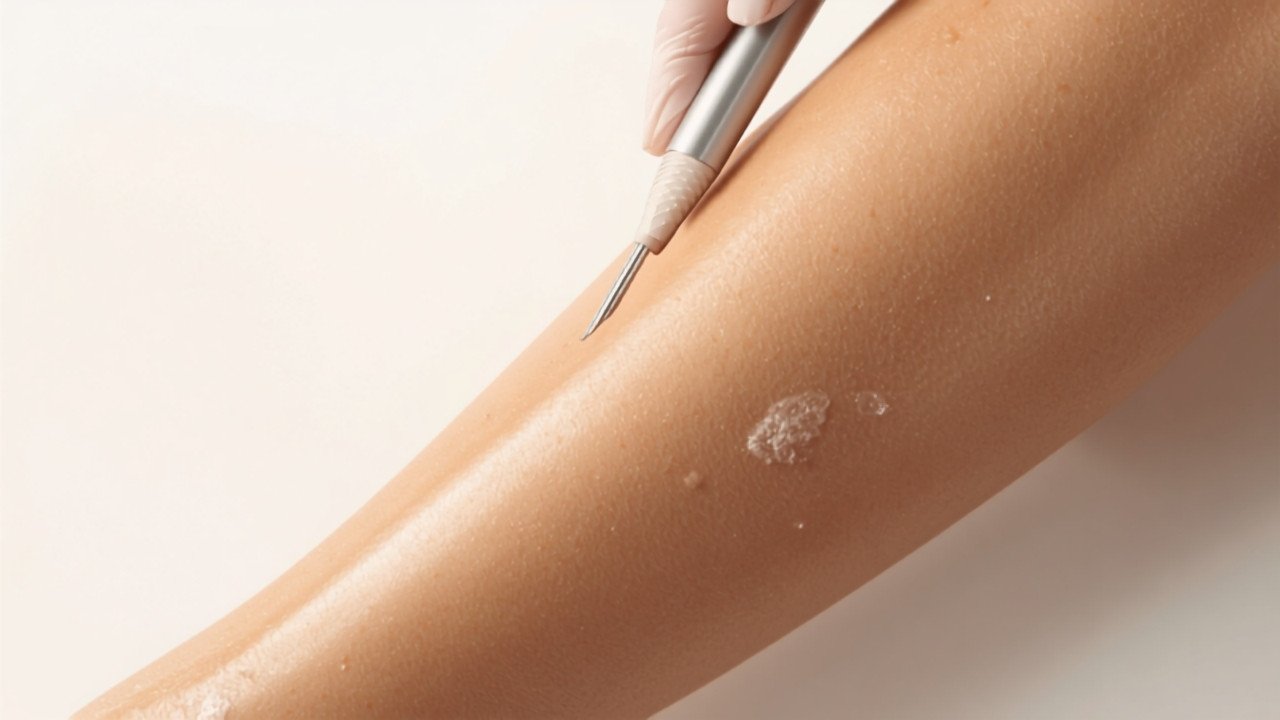
Waxing removes hair from the root, so regrowth is slower and softer than with shaving. Over time, regular waxing can leave hair looking finer. Because results last around three to four weeks, it is a low-maintenance choice for busy people and a popular treatment before holidays and special occasions.
Types of waxing
A salon waxing menu usually covers the face and body. Common treatments include eyebrow, lip and chin waxing, underarm, arm and leg waxing, and bikini or intimate waxing. Your therapist will recommend the right wax, such as a gentle warm wax or a hot wax for more sensitive areas.
“Comfort and hygiene come first. The right wax and a careful technique make the experience quick and far easier than people expect.” — Seda Beauty Salon
How to prepare
For the best results, let hair grow to around a quarter of an inch so the wax can grip it. Lightly exfoliate two to three days beforehand to free any ingrown hairs, but avoid exfoliating or applying lotion on the day itself. Avoid sunbeds and very hot baths immediately before your appointment.
Aftercare for smooth skin
Right after waxing, skin can be a little pink, which settles quickly. Avoid heat, friction and perfumed products for 24 hours, and keep the area clean. Gentle exfoliation a few days later helps prevent ingrown hairs and keeps skin smooth between appointments.
Booking near Waltham Abbey
Seda Beauty Salon, at 101 High Street, Waltham Cross, EN8 7AN, is a short distance from Waltham Abbey and offers a full range of waxing treatments. To book or ask which treatment suits you, call 01992 767000.
Waxing versus shaving
The biggest difference between waxing and shaving is how long the results last and how the hair grows back. Shaving cuts hair at the surface, so regrowth appears within a day or two and can feel stubbly. Waxing removes the hair from the root, leaving skin smooth for weeks, and over time regular waxing can make regrowth feel finer and softer. For many people, that longer-lasting, lower-maintenance result is well worth choosing waxing over the daily routine of shaving.
First-time waxing: what to expect
If it is your first wax, knowing what happens helps ease any nerves. Your therapist cleanses the area, applies the wax in sections and removes it quickly, working as efficiently as possible. There is a brief sensation as each section is removed, but it passes fast, and most people find it far more manageable than they expected. Afterwards the skin may look a little pink, which settles quickly. The first appointment is always the most unfamiliar; subsequent visits feel much easier.
Reducing ingrown hairs
Ingrown hairs are a common frustration, but a few habits keep them at bay. Gentle, regular exfoliation a few days after waxing helps free trapped hairs, and keeping skin moisturised supports healthy regrowth. Avoid very tight clothing straight after a wax, which can irritate the area. If you are prone to ingrowns, mention it to your therapist, who can suggest a routine and the right aftercare products for your skin.
How regular waxing changes regrowth
One of the rewards of sticking with waxing is that the results often improve over time. Because the hair is removed from the root, repeated waxing can weaken the follicle, so regrowth tends to come back finer, sparser and softer. Keeping to a regular schedule, rather than letting hair grow long between appointments, also makes each wax more comfortable and the results more even.
Waxing and sensitive skin
Sensitive skin can absolutely be waxed; it just calls for the right wax and a careful technique. Gentle waxes formulated for delicate areas, applied by an experienced therapist, minimise irritation. A patch test is sensible if you have very reactive skin or are trying a new treatment. Soothing aftercare and avoiding heat, friction and perfumed products for a day afterwards all help keep sensitive skin calm.
Timing your wax around holidays
Waxing is a favourite before holidays and special occasions, so timing matters. Booking a day or two before you travel gives any temporary redness time to settle while keeping skin smooth for your trip. Remember that hair needs to be a certain length to wax effectively, so resist shaving in between. Planning your appointment into your pre-holiday checklist means one less thing to worry about while you are away.
Professional waxing versus DIY
Home waxing kits exist, but professional waxing is a different experience altogether. A trained therapist works quickly and confidently, uses the right wax for each area and skin type, and applies a technique that minimises discomfort and reduces the chance of bruising or missed patches. They also maintain proper hygiene throughout. DIY waxing, by contrast, often leads to half-finished results, more pain and a greater risk of irritation. For a smooth, even and far more comfortable result, professional waxing is well worth it.
Body areas you can have waxed
Waxing is wonderfully versatile and can be tailored to almost any area. On the face, brows, lip and chin are popular, while body waxing covers underarms, arms, legs, the back and bikini or intimate areas. Each area has its own ideal wax and technique, which is another reason to see a professional who can choose the right approach for the part of the body being treated. Your therapist can talk you through the options and recommend what suits your needs.
Building waxing into your routine
Waxing works best as a regular habit rather than a one-off. Because results last around three to four weeks, booking appointments at consistent intervals keeps you smooth year-round and makes each session more comfortable, as the hair is removed at a similar stage of growth each time. Many clients find it helpful to book their next appointment before they leave, so their routine stays on track and they always have smooth skin to look forward to.
Aftercare products that help
The right aftercare keeps skin smooth and comfortable between waxes. A gentle exfoliating product, used a few days after your appointment, helps prevent ingrown hairs, while a light, soothing moisturiser keeps the skin hydrated and healthy. Avoid heavily perfumed lotions immediately after waxing, as freshly waxed skin can be sensitive. Your therapist can recommend suitable products so your at-home care supports the results of your treatment.
The bottom line on waxing
Waxing remains one of the most popular ways to keep skin smooth for weeks at a time, with the bonus that regular treatments can leave regrowth looking finer and softer. With the right preparation, a professional technique and good aftercare, it is a comfortable, low-maintenance choice that suits the face and body alike. Booking at consistent intervals keeps your skin smooth all year round and makes every appointment easier.
Frequently asked questions
How long does waxing last?
Most people enjoy smooth skin for around three to four weeks, after which hair gradually grows back finer and softer with regular waxing.
How long should hair be before waxing?
Hair should be roughly a quarter of an inch, about two to three weeks of growth, so the wax can grip it effectively.
Does waxing hurt?
There is a brief sensation as the hair is removed, but a skilled therapist works quickly and most clients find it very manageable, especially after the first few sessions.
Where can I get waxing near Waltham Abbey?
Seda Beauty Salon in nearby Waltham Cross offers face and body waxing.